
RBI fills government coffers, announces dividend of Rs 2.87 lakh crore
The Central Board of the Reserve Bank of India (RBI) is transferring its largest dividend ever, ₹2.87 lakh crore, to the government. This surpasses all previous records. This fund will be extremely helpful to the government in mitigating the negative impact on oil prices and supply chains caused by current global geopolitical tensions and war-like situations.
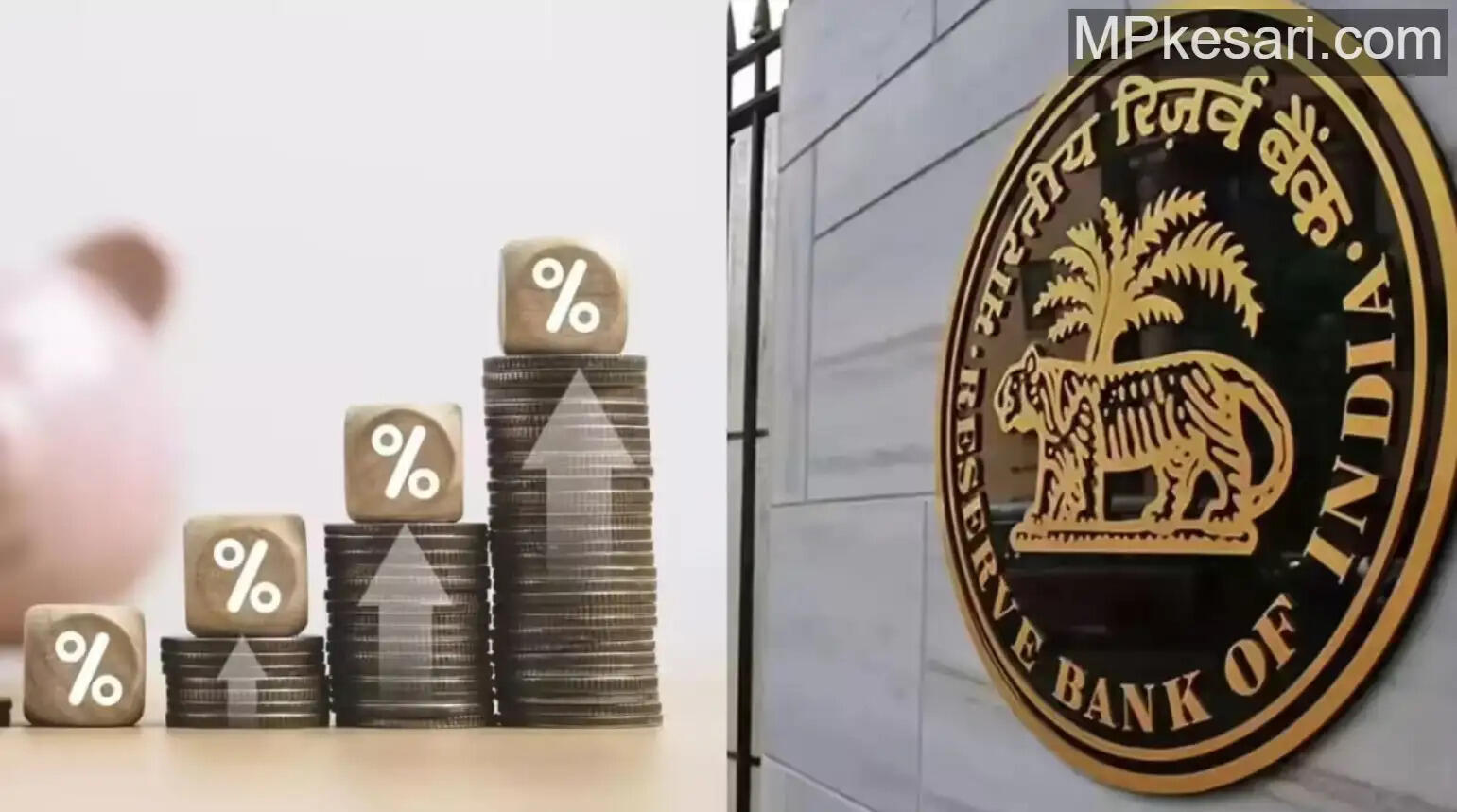
The Reserve Bank of India (RBI) on Friday announced a record surplus transfer of ₹2.87 lakh crore to the government for FY27. This amount is significantly lower than North Block's budgeted estimates for dividend receipts this fiscal year.
The RBI's balance sheet grew by 20.61 percent to ₹91.97 lakh crore at the end of March 31, 2026. In this year's Union Budget, the government had estimated ₹3.16 lakh crore as total dividend receipts from state-owned enterprises and surplus transfers from the central bank.
" "Before this announcement, economists had estimated the RBI's surplus transfer—often referred to as the central bank's dividend to the government—to be between ₹2.7 lakh crore and ₹3 lakh crore. This follows last year's transfer of ₹2.69 lakh crore, a 27% increase from the previous year.
Dividend will strengthen the government
According to economists polled by Reuters, even this large sum will not be enough to prevent New Delhi from missing its fiscal deficit target of 4.3 percent.
However, today's payment will provide Asia's third-largest economy with a significant fiscal cushion as energy prices rise due to the escalating war with Iran.
This increased dividend, generated by RBI activities in the fiscal year ending March 2026, will strengthen the government's finances in the ongoing fiscal year 2026-27 (FY27).
This comes at a crucial time when rising crude oil prices are increasing India's import bill, widening the current account deficit, and fueling selling by foreign funds. The resulting economic pressure is already being felt in domestic markets.
The benchmark 10-year bond yield has risen nearly 50 basis points so far this year to reach 7.10% on Tuesday, while the rupee has weakened nearly 7%. This currency decline has already prompted a series of stringent measures aimed at reducing the external deficit.
Main reasons for surplus
The RBI pays its dividend from domestic investments, foreign exchange reserves, and income from note printing fees. For FY26, the dividend payout was heavily supported by strong gains from foreign exchange interventions and investment income.