
Anthropic's Powerful Mythos AI Faces Restrictions, But Some Companies Still Retain Access
The race to develop advanced Artificial Intelligence (AI) systems continues to intensify, but concerns over national security are increasingly influencing how these technologies are distributed.
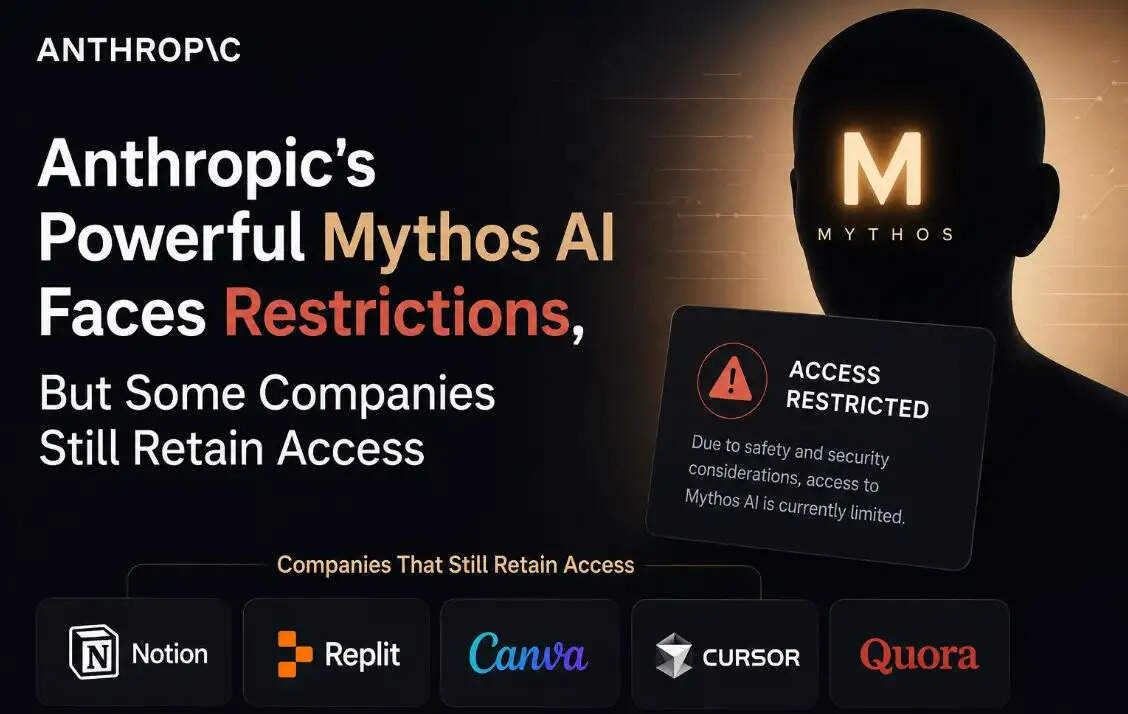
MP Kesari News Desk: A recent report suggests that while Anthropic's Mythos AI model was largely restricted following intervention by the U.S. government, a select group of organizations still reportedly retain access to the highly advanced system.
The development has sparked discussions about AI regulation, cybersecurity, and the balance between innovation and national security.
What Is Mythos AI?
Developed by AI startup Anthropic, Mythos is reported to be one of the company's most powerful AI models designed for advanced cybersecurity and vulnerability analysis.
According to reports, the model demonstrated the ability to identify thousands of software vulnerabilities, making it a potentially valuable tool for cybersecurity professionals as well as government agencies.
Because of its advanced capabilities, access to the model was never widely available to the public.
Access Initially Limited to Around 200 Organizations
Anthropic reportedly provided early access to Mythos through a specialized testing initiative known as the Glasswing Program.
Under this program, access was restricted to approximately 200 organizations, including selected government entities, cybersecurity firms, and trusted partners.
The goal was to evaluate the model's capabilities while maintaining strict oversight of how the technology was being used.
U.S. Government Restrictions Changed Everything
Reports indicate that a less powerful version of Mythos was later made available more broadly. However, following concerns related to national security and advanced cybersecurity capabilities, the U.S. government reportedly introduced export-control measures that significantly limited access.
The restrictions were aimed at preventing certain advanced AI technologies from being accessed by foreign nationals and organizations outside approved frameworks.
As a result, broader access to the Mythos system was effectively halted.
Some Companies Still Have Access
Despite the restrictions, recent reports suggest that several organizations continue to retain access to the Mythos preview version.
Among the companies reportedly maintaining access are:
- Cisco Systems
- Dragos
According to reports, these organizations remain part of the original testing framework and continue working with the technology.
However, details regarding how access is currently being managed have not been publicly clarified.
European Organizations Reportedly Lost Access
The situation appears different for some international organizations.
Reports indicate that the European cybersecurity agency European Union Agency for Cybersecurity (ENISA) was invited to participate in the Glasswing program before the restrictions were introduced.
However, following policy changes and export-control measures, access reportedly could not be granted.
The development highlights how geopolitical and regulatory concerns are increasingly influencing the deployment of cutting-edge AI systems.
Anthropic's Relationship With the U.S. Government
The reports emerge at a time when Anthropic is attracting significant attention within the AI industry.
The company, known for developing the AI assistant Claude, is reportedly preparing for future public market opportunities and expanding its presence in the global AI sector.
According to reports, Anthropic's relationship with certain government agencies became more complex after the company reportedly declined requests related to the use of its AI technology for specific military applications, including domestic surveillance and fully autonomous weapons systems.
These developments have placed Anthropic at the center of ongoing debates surrounding AI ethics, national security, and responsible deployment of advanced artificial intelligence.
Why Mythos AI Is Generating Attention
Experts believe highly advanced AI models capable of identifying software vulnerabilities can serve two very different purposes.
On one hand, they can help:
- Strengthen cybersecurity defenses
- Detect software weaknesses faster
- Improve threat intelligence
- Protect critical infrastructure
On the other hand, such systems could potentially be misused if access is not properly controlled.
This is why governments around the world are increasingly examining how powerful AI models should be regulated and distributed.
AI Regulation Becoming a Global Priority
The Mythos AI case reflects a broader trend in the technology industry, where governments are seeking tighter oversight of advanced AI systems.
As artificial intelligence becomes more capable, policymakers face the challenge of encouraging innovation while preventing misuse of technologies that may have national security implications.
The future of AI development is likely to involve closer collaboration between technology companies, regulators, and security agencies to ensure powerful systems remain both useful and safe.