
The Ultimate AI Pet Translator Collar: Can the PettiChat Smart Collar Really Help Dogs and Cats Talk?
Every pet owner has wished for a way to break the communication barrier between humans and animals. Thanks to a groundbreaking innovation from a Chinese technology startup, that dream might finally be a reality. Hangzhou-based tech firm Meng Xiaoyi has officially launched PettiChat, a revolutionary AI pet translator collar engineered to translate the subtle vocalizations of cats and dogs into clear human speech.
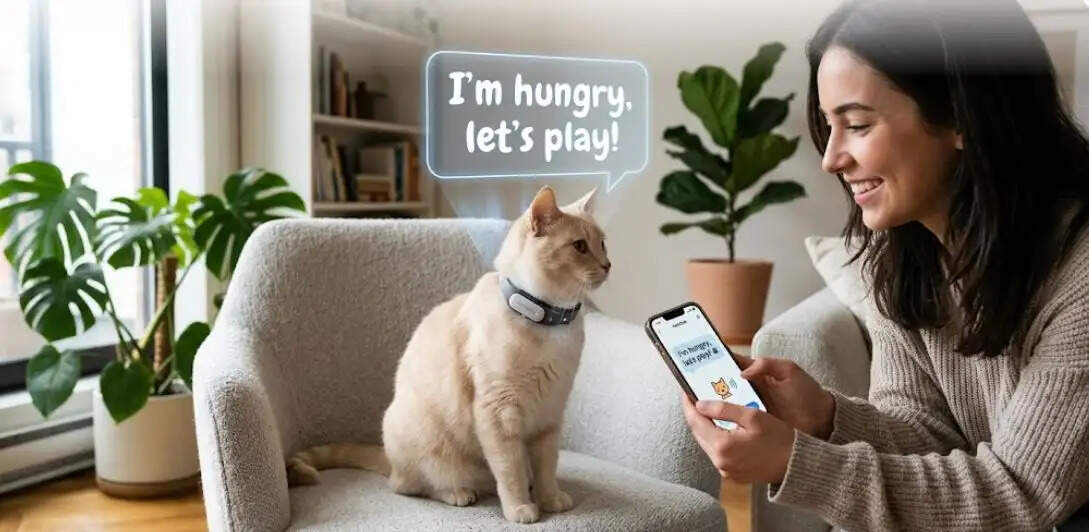
If you have ever wondered how to understand pet language, this cutting-edge wearable device aims to give a literal voice to your furry companions.
What is the PettiChat AI Pet Translator Collar?
The PettiChat translation collar is an advanced, lightweight smart accessory that fastens comfortably around your pet's neck. Unlike standard activity trackers, this specific AI pet translator collar is packed with highly sensitive audio sensors and machine learning algorithms.
" "According to the developers, the collar functions by continuously capturing your pet's barks, meows, growls, and purrs. It then cross-references these sounds with an extensive database of animal acoustic patterns to decipher the exact emotion, need, or desire behind the noise.
Key Features and Specifications:
-
Real-Time Translation: Converts pet vocalizations into human language instantly via a connected smartphone app.
-
Dual-Species Compatibility: Functions perfectly as both an AI dog translator and an AI cat translator.
-
High Claimed Accuracy: The manufacturer boasts an impressive 94.6% accuracy rate in interpreting animal emotions.
-
Global Availability & Pricing: The device is currently available for pre-order on the company’s official website for $149.99 (approximately £110 / ₹12,500).
Massive Consumer Demand for the Smart Pet Collar
The market response to this new AI pet translator collar has been nothing short of explosive. During the initial pre-order launch phase earlier this month, over 10,000 enthusiastic pet parents rushed to reserve their units.
As the trend of humanizing pets grows globally, tools that promise to show how to understand pet language are seeing unprecedented commercial traction. Millions of owners are eager to find out if their pets are genuinely happy, feeling unwell, or simply asking for an extra scoop of kibble.
Social Media Reacts: Skepticism and Humor Over "Pet Language" Claims
While the commercial success of the PettiChat translation collar seems guaranteed, the announcement has sparked massive debate across global social media networks. Tech enthusiasts and internet skeptics have raised practical questions regarding the product's steep claims.
The internet quickly turned the news into a viral sensation, with users asking hilarious questions:
-
“How did the company test the 94.6% accuracy rate? Did they interview the dogs afterward to verify?”
-
“What if my cat just spends 24 hours a day telling me how much she judges my life choices?”
-
“Will an AI dog translator finally prove that my pup thinks the mailman is an existential threat?”
Beyond the humor, the viral conversation underscores a deep fascination with the concept of AI animal communication.
Does the AI Pet Translator Actually Work? The Scientific Verdict
Before you spend $149.99 on the PettiChat translation collar, it is important to look at the science behind it. Currently, the 94.6% accuracy metric comes entirely from the startup’s internal testing. There are no independent, peer-reviewed scientific studies validating that an AI pet translator collar can accurately interpret specific sentences from domestic animals.
While veterinary behaviorists agree that dogs and cats use distinct pitch, frequency, and body language to communicate basic emotions (like fear, hunger, or excitement), translating these into complex human vocabulary remains largely speculative.
Final Thoughts: Is It Worth It?
If you view the PettiChat AI pet translator collar as an entertaining, interactive gadget to bond with your pet, it represents a fascinating step forward in pet tech. However, until external experts verify its algorithms, it should be treated more as a fun novelty than a definitive tool for how to understand pet language.
Would you buy an AI collar to talk to your dog or cat? Let us know your thoughts in the comments below!